The traditional image of grading often involves a teacher hunched over a desk late at night, armed with a red pen, marking up student errors in isolation. In this legacy model, the teacher acts as the sole judge and jury of academic merit, while the student remains a passive recipient of a final score. However, as educational paradigms shift toward student-centered learning, many educators are discovering that the most effective way to improve the grading process is not to work harder at it, but to collaborate with the students themselves.
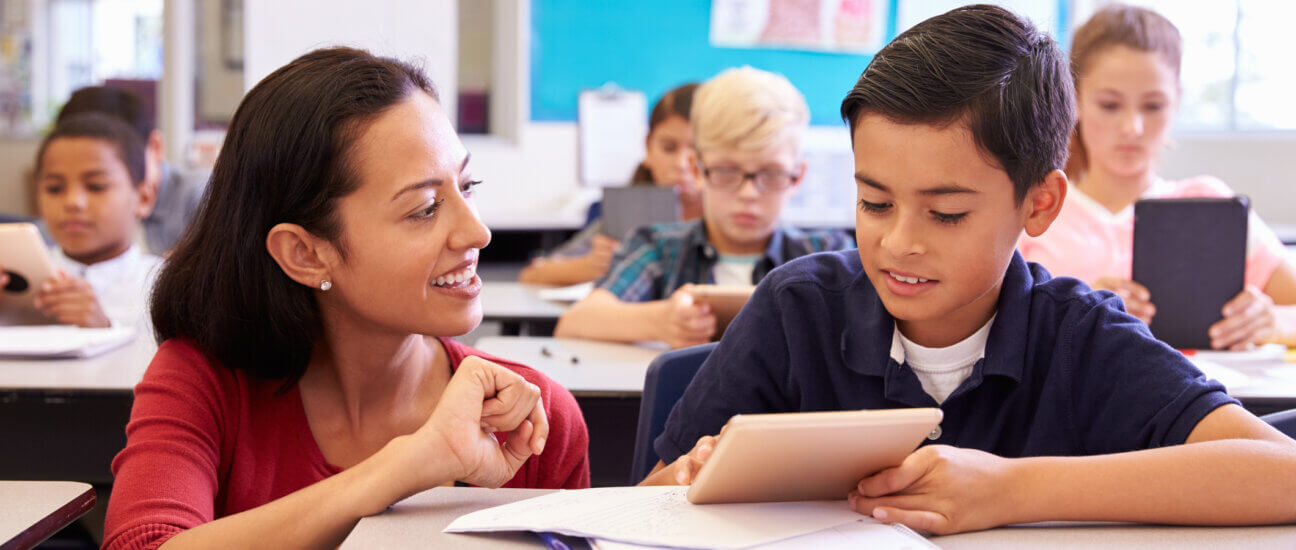
Collaborative grading is not about “giving away” easy marks; it is about transparency, shared ownership, and turning the evaluation process into a learning opportunity. By involving students in the assessment cycle, educators can reduce grading fatigue, increase student engagement, and ensure that grades accurately reflect true mastery of the subject matter.
The Philosophy of Collaborative Assessment
At its core, collaborating with students on grading shifts the focus from “assessment of learning” to “assessment for learning.” When students understand how they are being measured, the mystery of the grade disappears. This transparency reduces the anxiety often associated with high-stakes testing and fosters a growth mindset. Instead of asking “What did I get?”, students begin to ask “How can I improve?”
This approach aligns with the principles of metacognition—the ability to think about one’s own thinking. When students are asked to evaluate their own work or the work of their peers, they are forced to engage with the learning objectives on a deeper level. They move from being passive consumers of information to active participants in the academic standards of their discipline.
Strategies for Practical Collaboration
1. Co-Creating Rubrics and Criteria
One of the most powerful ways to collaborate is to involve students in defining what “success” looks like before an assignment even begins. When a teacher presents a project, they can lead a classroom discussion to determine the criteria for an ‘A’ grade.
For example, if the assignment is a persuasive essay, students might suggest that “clarity of argument” and “quality of evidence” should be weighted heavily. By helping build the rubric, students gain a sense of agency. They are no longer trying to hit a target they can’t see; they are aiming for a target they helped build.
2. The Power of Peer Feedback
Peer assessment is a cornerstone of collaborative grading. When students review each other’s work, they gain fresh perspectives on the assignment. Often, seeing how a peer approached the same problem helps a student identify their own misunderstandings.
To make this effective, educators should provide structured feedback forms. Rather than asking students to “grade” their friends, ask them to identify one strength and one specific area for improvement based on the agreed-upon rubric. This lightens the teacher’s initial feedback load and ensures that by the time the final draft reaches the teacher’s desk, it has already undergone a rigorous round of refinement.
3. Student Self-Evaluation and Reflection
Before a student submits a final piece of work, ask them to “grade” themselves using the class rubric. Require them to provide a brief written justification for the grade they believe they earned.
This practice is incredibly revealing. Often, a student’s self-assessment will highlight effort or struggles that aren’t immediately visible in the final product. It also encourages honesty. If a student realizes they cannot justify a high mark based on the rubric, they are more likely to go back and fix the work before the final submission.
Breaking the Feedback Loop: The “Check-In” Method
Instead of waiting until a project is finished to provide a grade, collaborative grading emphasizes ongoing dialogue. Short, five-minute conferences between the teacher and the student during the production phase can be more valuable than a page of written comments on a finished paper.
During these check-ins, the teacher acts more like a coach. You can ask the student, “Which part of the rubric are you currently struggling with?” or “How do you think your current draft compares to the goals we set?” This real-time collaboration ensures that the final grade is never a surprise, as the student has been receiving “course corrections” throughout the process.
Overcoming Challenges in Collaborative Grading
Transitioning to a collaborative model is not without its hurdles. Educators may worry about grade inflation or students not taking the process seriously. To mitigate this, the teacher must remain the final arbiter of the grade while treating student input as essential data.
Consistency is key. If students see that their self-evaluations are ignored, they will stop engaging. Conversely, if they see that their reflections actually influence the final outcome or the teacher’s feedback, they will invest more effort into the process. It is also important to teach students how to give feedback; it is a skill that must be modeled and practiced just like any other academic subject.
The Long-Term Benefits for Educators
Perhaps the most overlooked benefit of collaborative grading is the impact on the teacher’s well-being. Traditional grading is often the most grueling part of the profession. By sharing the responsibility, the teacher moves away from being a “corrector” and toward being a “mentor.”
When students are involved in peer review and self-reflection, the quality of the work submitted improves significantly. This means the teacher spends less time marking basic errors and more time engaging with the higher-level ideas of the students. It transforms a tedious administrative task into a meaningful pedagogical interaction.
Conclusion
Improving grading through student collaboration is a win-win strategy for the modern classroom. It demystifies the assessment process, empowers students to take responsibility for their own learning, and provides teachers with a more nuanced understanding of student progress.
When we stop viewing grading as a top-down verdict and start seeing it as a shared journey toward mastery, we create an environment where grades are not just numbers, but reflections of genuine growth. By inviting students to sit at the table during the evaluation process, we prepare them for the real world—where the ability to self-assess and accept feedback is just as important as the subject matter itself.