The Serious Consequences of False Schools

In the modern quest for professional success, a degree is often viewed as the ultimate passport. It is the key that unlocks corporate doors, secures visas, and validates years of intellectual labor. However, as the demand for credentials has surged, so too has a predatory industry: the “false school” or diploma mill. In 2026, with the rise of sophisticated digital marketing and AI-generated websites, these fraudulent institutions have become harder to detect and more dangerous than ever before.

A false school is an entity that offers “degrees” or “certificates” for a fee, requiring little to no actual academic work. While they might look like legitimate online universities, their impact goes far beyond a simple scam. They undermine the integrity of the global education system and leave a trail of devastated careers and legal complications in their wake. This article explores the deep-seated consequences of the proliferation of these illegitimate … Read more

Continue Reading

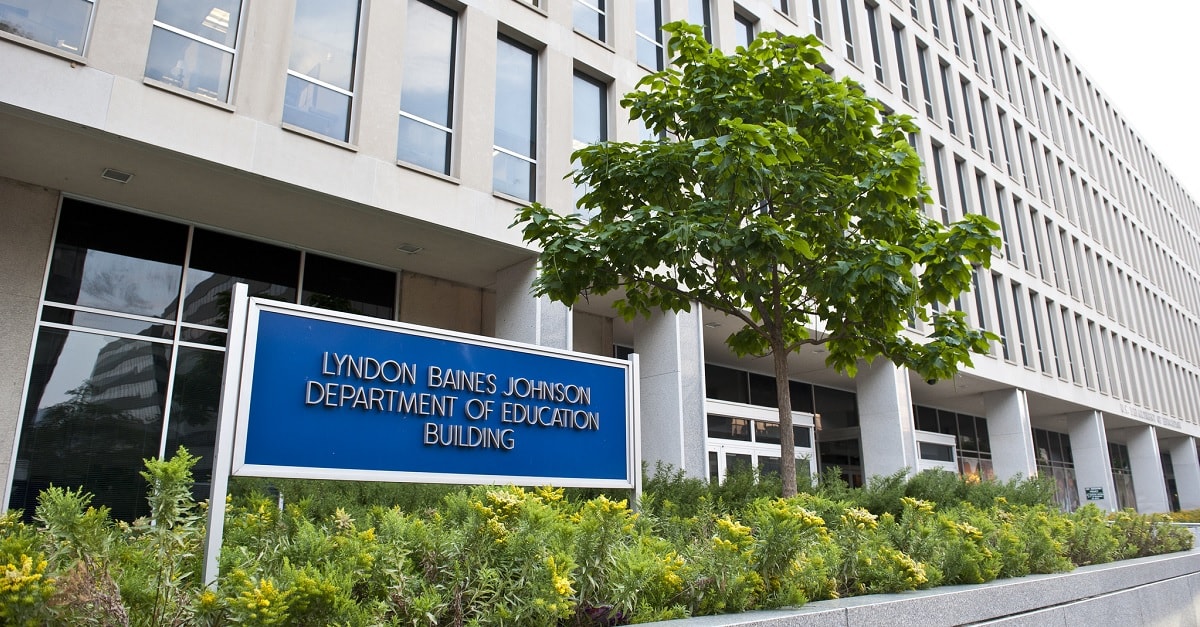
The U.S. Education Department Gets Stricter

The landscape of American higher education is currently navigating a period of significant transition. For decades, the relationship between federal oversight and educational institutions was characterized by a degree of flexibility, with a primary focus on expanding access to college. however, as we move through 2026, the narrative has shifted toward accountability, value, and student protection. The U.S. Department of Education has implemented a series of stricter regulations and oversight mechanisms designed to ensure that the billions of dollars in federal student aid are resulting in tangible benefits for students.

This move toward a more disciplined regulatory environment is driven by rising tuition costs, the student debt crisis, and a growing public demand for transparency. For students, parents, and administrators, understanding these new “stricter” measures is essential for navigating the future of university life and professional career planning.


The Push for Gainful Employment Standards

One of the most significant pillars … Read more

Continue Reading

The Last Class Session: How to Make It Count

The final session of a semester is often a bittersweet moment. For many students, it represents the light at the end of a long, academically grueling tunnel. For educators, it is the closing of a chapter with a specific group of individuals. However, in the rush to prepare for final exams or to finish the remaining pages of a syllabus, the true potential of the last class session is often overlooked.

In the modern educational landscape of 2026, we have realized that the “closing” of a course is just as vital as its opening. This final meeting is the bridge between theoretical learning and practical application. It is the moment to transform a collection of lectures into a cohesive body of knowledge. Whether you are an educator looking to leave a lasting impression or a student wanting to maximize your investment, here is how to make that final hour truly … Read more

Continue Reading

A Practical Guide to Choosing the Right Management Training Program for Organizational Success

Selecting the right management training program is one of the most important decisions an organization can make when investing in its people. Strong leadership shapes culture, drives performance, and directly impacts long term growth. Yet with so many options available, choosing the right fit can feel overwhelming.

Organizations today need more than basic instruction. They require programs that align with their goals, address real challenges, and equip managers with skills that translate into measurable results. This guide explores how to evaluate and select the most effective management training program while ensuring it delivers meaningful value.

Understanding the Purpose of a Management Training Program

Before choosing a program, it is important to understand its role within the organization. A management training program is designed to build essential leadership skills, improve decision making, and enhance team performance.

It is not just about learning theories. The goal is to prepare managers to handle … Read more

Continue Reading

The Profound Art of Appreciating Our Colleagues

In the high-pressure, results-driven professional world of 2026, we often find ourselves fixated on the “what” of our work—deadlines, quarterly targets, technological integration, and bottom-line growth. However, we frequently overlook the “who.” Behind every successful project, every seamless presentation, and every solved crisis stands a network of individuals who make those achievements possible. These are our colleagues, the people with whom we spend the majority of our waking hours.

Appreciating our colleagues is not merely a social nicety or a management trend; it is a fundamental pillar of a healthy, productive, and sustainable work culture. When gratitude becomes a consistent practice rather than an annual formality, it transforms the workplace from a sterile environment of transactions into a vibrant community of collaboration. This article explores the importance of professional appreciation and offers practical ways to weave it into the fabric of your daily work life.


The Psychological Impact of Recognition

Read more Continue Reading