In the dynamic world of education, few topics are debated as passionately as the role of rewards for kids in education. Used effectively, rewards can be powerful catalysts for motivation, positive behavior, and academic success. Used poorly, they can inadvertently undermine a child’s natural love for learning. The key lies in understanding the critical difference between external motivators (extrinsic rewards). And the internal fulfillment derived from accomplishment (intrinsic rewards).
The modern educator and parent must navigate this landscape carefully, choosing incentives that celebrate effort. Reinforce good habits, and ultimately foster a lifelong passion for knowledge. This article explores how to craft a reward system that is both effective and conducive to developing motivated, autonomous learners.
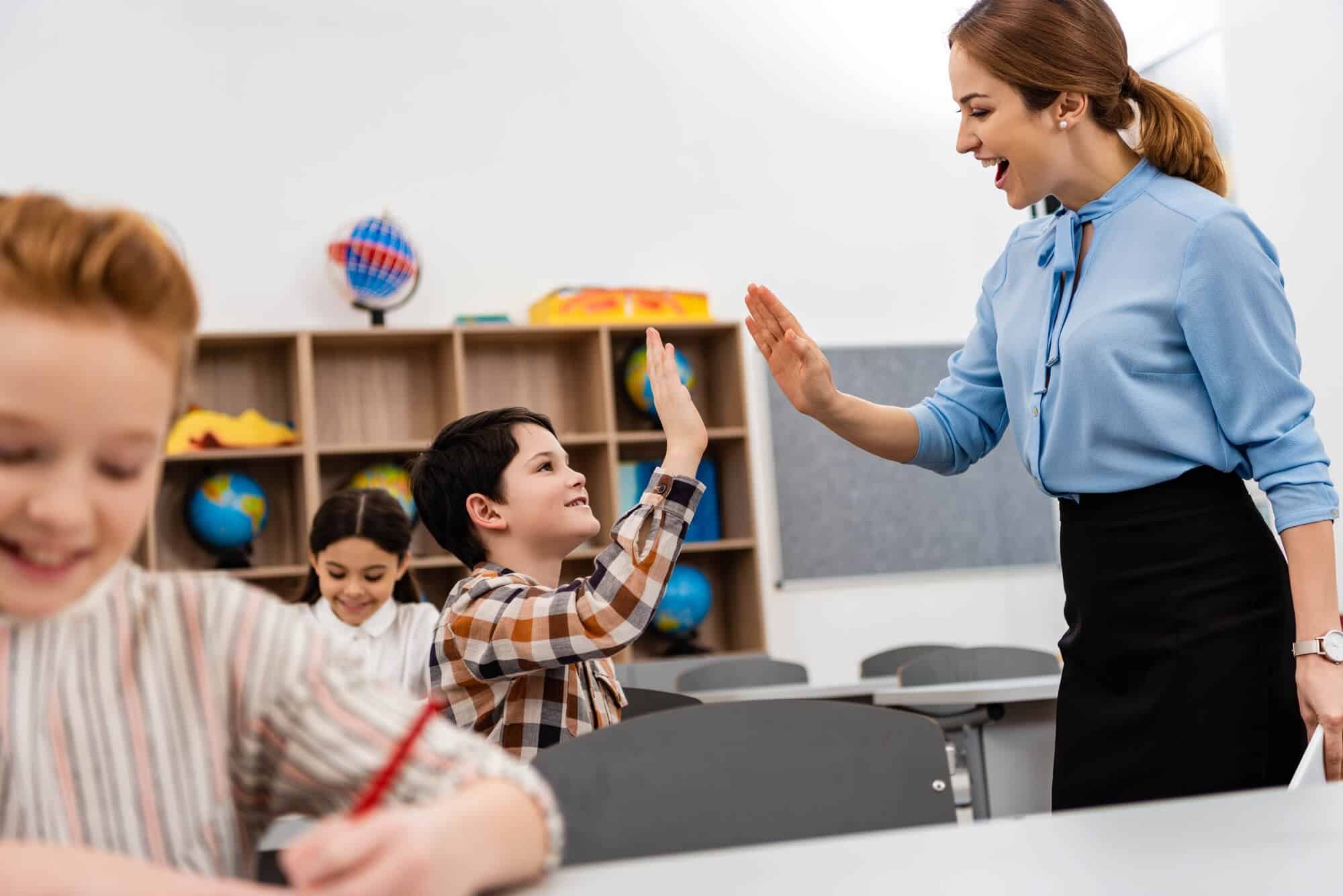
1. Extrinsic vs. Intrinsic Motivation: The Critical Balance (SEO Keyword: Intrinsic Motivation in Learning)
The core challenge in using rewards is preventing the external prize from overshadowing the internal satisfaction of learning itself.
- Extrinsic Rewards (The ‘Carrot’): These are external incentives given for completing a task. Such as stickers, praise, certificates, or a special privilege. They are highly effective for:
- Jumpstarting Motivation: For a student struggling with a difficult or tedious task, an extrinsic reward can provide the initial push needed to engage.
- Reinforcing Specific Behaviors: Rewards are excellent tools for behavior management, encouraging promptness, kindness, or compliance with classroom rules.
- Celebrating Milestones: Recognizing significant achievements (e.g., scoring high on a test, finishing a complex project) with a tangible reward makes the effort feel worthwhile.
- Intrinsic Motivation (The ‘Fire’): This is the internal drive to pursue an activity. Because it is inherently satisfying, interesting, or enjoyable. The goal of any successful education system is to cultivate intrinsic motivation. This is achieved through:
- Fostering Autonomy: Allowing students choice in assignments, reading material, or project topics.
- Promoting Competence: Designing tasks that are challenging but attainable, allowing the student to experience the feeling of mastery.
- Building Relatedness: Creating a supportive, collaborative learning environment where students feel safe and connected.
The Golden Rule: Use extrinsic rewards to communicate information about a student’s competence (“You earned this certificate because you worked hard and mastered the math concepts”). Rather than using them solely as a control mechanism (“You must do this to get this”). The reward should validate the effort, not replace the joy of learning.
2. The Power of Non-Monetary and Privilege-Based Rewards
The best rewards are often inexpensive or free, focusing on special experiences and enhanced status rather than material possessions. These are crucial for longevity and for keeping the focus on learning, not just accumulating items.
- Experience and Status Privileges: These are highly valued by children of all ages. Because they offer a break from the routine or a temporary elevation in standing.
- Classroom Roles: Becoming the “Teacher’s Assistant for the Day,” “Line Leader,” or getting to sit in a special “VIP Seat.”
- Activity Passes: A “No Homework Pass” (a universally beloved reward), extra time for a favorite class activity, or “Read Aloud with a Friend” time.
- Time and Place: Allowing the class to have “Lunch with the Teacher” in the classroom, or having a class lesson outside on the grass.
- Social Recognition and Affirmation (SEO Keyword: Positive Reinforcement in Education): Verbal praise and recognition are perhaps the most powerful and immediate rewards.
- Specific, Descriptive Praise: Instead of saying “Good job,” say, “I noticed you didn’t give up on that problem even when it was difficult; that perseverance is fantastic!”
- Positive Communication Home: A handwritten note, postcard, or quick phone call home praising a student’s specific achievement can have an immense reinforcing effect, involving the family in the celebration of success.
- Public Acknowledgment: Star of the Week/Month displays, or giving a student a chance to teach the class a skill they mastered, reinforces their competence in front of their peers.
3. Designing an Effective and Sustainable Reward System
A reward system must be transparent, fair, and flexible enough to adapt to different age groups and needs.
- Clarity and Tracking: Students must clearly understand what behavior or achievement earns a reward. Simple tracking methods, like sticker charts, punch cards, or digital points systems, make progress visible and maintain motivation.
- Focus on Effort and Process: It is essential to reward the process (perseverance, effort, improvement, kindness) just as much as the outcome (a high test score). This teaches students that growth mindset and hard work are what truly matter.
- Group Incentives: For classroom management, group rewards can build a strong sense of community and teamwork. If the whole class meets a goal (e.g., receiving five positive hallway comments in a week). The whole class earns a reward, like a “Pajama Day” or a class movie. This fosters a shared responsibility for a positive learning environment.
- Phasing Out Reliance: As students mature, the system should gradually transition from tangible rewards to abstract privileges and. Eventually, to the intrinsic satisfaction of high performance. By middle school and high school, rewards should focus heavily on academic benefits. Such as extra credit, test exemptions, or career-focused opportunities.
Conclusion: Nurturing Lifelong Learners
Rewards in education are not bribes; they are tools of recognition and reinforcement. When educators and parents thoughtfully implement a reward system that values effort, grants meaningful privileges, and uses external incentives to spotlight internal competence, they achieve the ideal outcome: nurturing students who work hard not just for the prize, but for the inherent satisfaction of learning and growing. By choosing the right motivators, we prepare children for a future where their greatest rewards will come from their own drive and mastery.
Would you like me to generate a list of 15 age-appropriate, no-cost reward ideas suitable for a high school classroom to boost engagement and participation?