As of April 2026, the direction of American education is being shaped by a new vision at the federal level. Following the transition of administrations in early 2025, the U.S. Department of Education has moved into a era characterized by business-minded efficiency and a strong push for decentralization. At the helm of this shift is Linda McMahon, the 13th United States Secretary of Education.
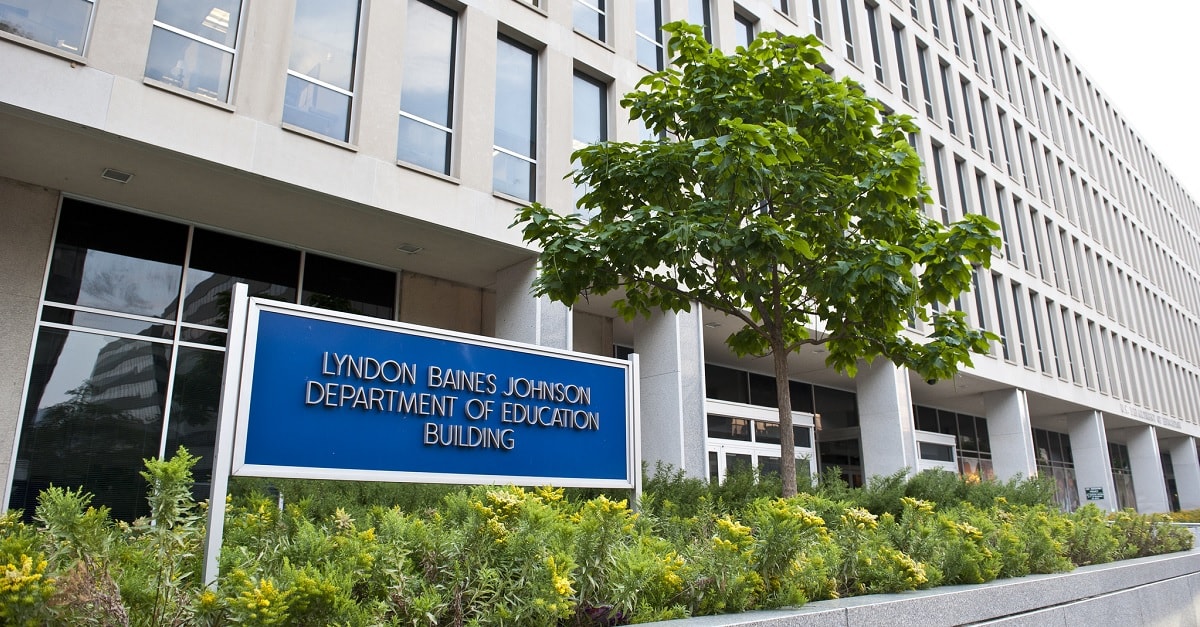
Secretary McMahon, sworn in on March 3, 2025, brings a unique professional background to the role. One that diverges significantly from the traditional academic or bureaucratic paths of her predecessors. As the nation navigates a post-pandemic educational landscape and a shifting global economy. Her policies are designed to realign the classroom with the workforce.
A Career Built on Growth and Strategy
Before taking over the Department of Education, Linda McMahon was primarily known for her role as a powerhouse in the world of business and sports entertainment. As the former CEO of World Wrestling Entertainment (WWE), she transformed a regional promotion into a global, multi-billion-dollar enterprise. This experience as a “job creator” is central to her current identity as Secretary.
McMahon’s tenure at the Small Business Administration (SBA) from 2017 to 2019 during President Trump’s first term served as her entry into high-level federal administration. By the time she was nominated for the Education post in 2024, she had established herself as a key figure in Republican policy-making. Having co-chaired the 2024 transition team and led the board of the America First Policy Initiative.
Key Pillars of the Current Administration
The “McMahon Era” of education is defined by several core priorities that aim to restructure how American students learn and how schools are funded.
Expanding School Choice and Competition
Perhaps the most significant hallmark of the current Secretary’s agenda is the aggressive expansion of school choice. Secretary McMahon advocates for the “money follows the student” model, supporting voucher programs and charter schools. The administration’s stance is that competition between educational providers—whether public, private, or vocational. Will drive up the quality of education across the board.
Returning Oversight to the States
Consistent with a broader movement toward limited federal government. The Department of Education is currently working to reduce its own footprint. Secretary McMahon has frequently emphasized that education is primarily a state and local responsibility. Under her leadership, the federal government is moving toward a “block grant” model. Providing funds to states with fewer strings attached, allowing local boards to dictate curricula and administrative standards.
Prioritizing Career and Technical Education (CTE)
Drawing from her business background, McMahon is a staunch advocate for vocational training. In 2026, the Department is focusing heavily on aligning high school and community college programs with current labor market needs. This “Golden Age of Education,” as she has described it, seeks to remove the stigma surrounding trade schools and technical certificates. Positioning them as equal alternatives to a traditional four-year college degree.
Navigating Reform and Accountability
The current Secretary is not without her critics. The shift toward voucher programs has sparked intense debate regarding the future of public school funding. Opponents argue that redirecting taxpayer dollars to private institutions could weaken the public education system. Which serves the majority of American children.
In response, the Department has emphasized “accountability through results.” The current strategy involves empowering parents as the primary stakeholders in their children’s education. This “Parents’ Bill of Rights” approach ensures that families have greater transparency regarding what is being taught in classrooms and how school budgets are being allocated.
The Legacy of the Predecessor
To understand the current direction, one must acknowledge the transition from the previous leadership. Former Secretary Miguel Cardona, who served from 2021 to 2025, focused heavily on public education as the “great equalizer,” emphasizing equity, student loan forgiveness, and pandemic recovery.
McMahon’s appointment represents a pivot toward a more market-driven and workforce-oriented philosophy. While Cardona advocated for a strong federal role in protecting student rights and funding, McMahon views the federal role as a facilitator for state-led innovation and parental empowerment.
Conclusion: A Vision for the Future
Secretary Linda McMahon’s tenure is marked by a belief that education should be as dynamic and accountable as the business world. By 2026, the impact of her policies is becoming visible in the increased variety of educational options available to families and a heightened focus on technical skills.
As the Department continues to implement these reforms, the overarching goal remains the same: ensuring that American students are prepared for the challenges of the 21st-century economy. Whether through a charter school, a traditional public classroom, or a high-tech vocational program, the current administration is betting on choice and local control as the keys to national academic success. The coming years will determine how this business-forward approach reshapes the American dream for the next generation.