The landscape of American higher education is currently navigating a period of significant transition. For decades, the relationship between federal oversight and educational institutions was characterized by a degree of flexibility, with a primary focus on expanding access to college. however, as we move through 2026, the narrative has shifted toward accountability, value, and student protection. The U.S. Department of Education has implemented a series of stricter regulations and oversight mechanisms designed to ensure that the billions of dollars in federal student aid are resulting in tangible benefits for students.
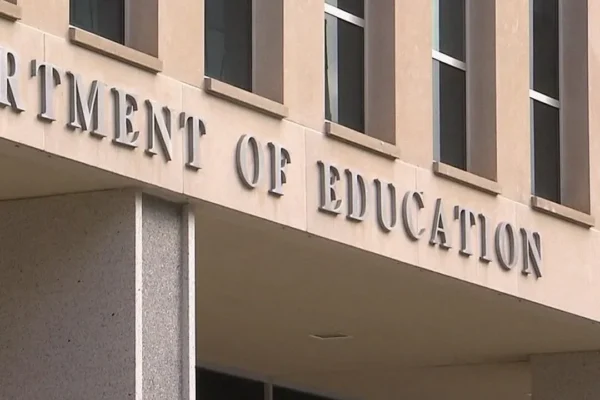
This move toward a more disciplined regulatory environment is driven by rising tuition costs, the student debt crisis, and a growing public demand for transparency. For students, parents, and administrators, understanding these new “stricter” measures is essential for navigating the future of university life and professional career planning.
The Push for Gainful Employment Standards
One of the most significant pillars of the Department’s stricter stance is the reinvigoration and expansion of the “Gainful Employment” rules. The core philosophy behind this initiative is simple: if a college program relies on federal funding, it must prove that its graduates are capable of earning enough money to pay back their student loans.
Under these stricter guidelines, programs—particularly those at for-profit institutions and non-degree programs at public universities—must meet specific debt-to-earnings ratios. If a program consistently leaves its graduates with debt they cannot afford relative to their income, it risks losing access to federal student aid altogether. This move is designed to weed out “predatory” programs that promise high-paying careers but deliver little more than a certificate and a mountain of debt. It forces institutions to align their curricula with the actual demands of the 2026 labor market.
Enhanced Oversight of Third-Party Servicers
In recent years, many universities have outsourced their online program management and student recruitment to private, third-party companies. While this allowed schools to expand their digital footprint quickly, it also created a “gray area” regarding who was responsible for the quality of education and the accuracy of marketing.
The U.S. Education Department has now tightened the leash on these partnerships. New regulations require much higher levels of transparency and financial auditing for third-party servicers. The Department is now holding the universities directly accountable for any misleading claims or aggressive recruitment tactics used by their partners. By getting stricter on these behind-the-scenes contracts, the federal government aims to protect students from being “sold” an education that doesn’t meet the standards of the institution’s brand.
Strengthening the “90/10” Rule
For-profit colleges have long been subject to the 90/10 rule, which dictates that they must derive at least 10% of their revenue from sources other than federal student aid. This ensures that the institution has some level of market appeal to students or employers paying with private funds, rather than being entirely “subsidized” by the taxpayer.
The recent tightening of this rule involves a change in how “federal aid” is calculated. Previously, military and veteran benefits (such as the GI Bill) were counted toward the 10% private revenue side, creating a loophole that led some institutions to aggressively target veterans. The stricter interpretation now classifies all government-funded education benefits as part of the 90% federal aid limit. This shift is a direct effort to protect veterans and ensure that institutions are providing a quality of education that justifies private investment.
Transparency in College Pricing and Hidden Fees
Financial transparency is another area where the Department of Education has significantly increased its pressure. For too long, the “sticker price” of college has been obscured by a confusing web of fees, room and board adjustments, and complex financial aid packages.
The Department is now mandating clearer “Net Price” disclosures. Institutions are required to provide a standardized, easy-to-read breakdown of what a student will actually pay out of pocket after grants and scholarships are applied. Furthermore, there is a new crackdown on hidden fees—such as mandatory “inclusive access” textbook fees that are bundled into tuition without a clear opt-out. These stricter disclosure rules are intended to empower families to make “apples-to-apples” comparisons between different universities before committing to a loan.
Improving the Accreditation Process
Accreditation agencies serve as the gatekeepers of quality in higher education. However, the Department has expressed concerns that some accreditors have become too “cozy” with the institutions they oversee. To address this, federal oversight of the accreditors themselves has become more rigorous.
The Education Department is now demanding that accreditors set more rigorous benchmarks for student outcomes, including graduation rates and post-completion employment. If an accreditor is found to be too lenient with underperforming schools, the Department has signaled its willingness to revoke the agency’s federal recognition. This top-down pressure ensures that the seal of “accredited” actually stands for a verified level of academic and financial stability.
Conclusion: A New Era of Value-Based Education
The tightening of regulations by the U.S. Education Department marks the beginning of an era focused on the “Return on Investment” (ROI) of a college degree. While these stricter rules may create an administrative burden for some institutions, the ultimate beneficiary is the student.
By demanding better data, clearer pricing, and proven employment outcomes, the federal government is attempting to restore public trust in the value of higher education. For the modern student, this means more protection against predatory practices and a clearer path toward a career that is not overshadowed by unmanageable debt. As the Department continues to monitor and refine these policies, the message to institutions is clear: quality and transparency are no longer optional—they are the price of admission to the federal student aid system.